
For orthopedic and spine surgery residents, the journey from medical school to a fulfilling career is long and demanding. With residency programs typically spanning five to six years—plus an optional fellowship for subspecialties like spine surgery—planning your next career move can feel overwhelming. A critical question arises: When should you start looking for a job during residency? Timing is everything, and starting your job search at the right moment can set you up for success in a competitive field. This article explores the ideal timeline, key considerations, and actionable steps to help orthopedic and spine surgery residents transition smoothly into practice.
Why Timing Matters for Orthopedic and Spine Surgeons
Orthopedic and spine surgery are highly specialized fields with a limited number of positions, particularly in academic institutions, private practices, or prestigious hospitals. According to the American Academy of Orthopaedic Surgeons (AAOS) -source, the demand for orthopedic surgeons continues to grow due to an aging population and advances in surgical techniques. However, competition remains fierce, especially for spine surgery roles, which often require fellowship training.
Starting your job search too early may leave you unprepared to commit, while waiting too long could mean missing out on prime opportunities. Striking the right balance ensures you’re ready to negotiate contracts, align with your career goals, and secure a position that fits your expertise.
The Ideal Timeline: When to Start Your Job Search
Residency timelines vary, but most orthopedic surgery programs last five years, with ortho subspecialty fellowships adding an additional year.
I have heard a number of surgeons recommend waiting until fellowship to start looking for a job, but for many leaving fellowship consistently early on for interviews can be difficult when considering call and other responsibilities, but fellowship can afford more opportunities based on their alumni and other networks to help find you job options. Your personal goals should dictate when you start looking for a job, and our advice would be to start as early as is right for you.
The main takeaway for timing is that if you have an exact location where you want to be, then starting very early might be the best move for you, even as early as first or second year of residency. This gives the leadership time to help plan for your arrival. For most residents starting early in your late 4th year or early 5th year of residency can help you narrow down what you’re looking for, and help you set up interviews for the end of your 5th year. This way you can also go on some interviews during fellowship to compare contracts/practices while taking advantage of the network your fellowship can provide.
For example, if you know that you want to be at a specific practice in a very specific location, then reaching out as early as 2nd or 3rd year could be the right move so that they keep you in mind when there is expansion or turnover. In this scenario letting the practice know sooner and doing bi-annual or yearly check ins can help you stay on their radar for when the right time comes.
For the majority who do not know the specific city or exact location ahead of time, here’s a breakdown of when to begin your job search:
For General Orthopedics – Start in your PGY-4 (Fourth Year of Residency)
- Best For: Residents planning to enter practice directly after residency.
- Why Start Now: If you’re not pursuing a fellowship, PGY-4 is the sweet spot to explore job opportunities. Many practices begin recruiting 12–18 months in advance, aligning with the end of your fifth year.
- What to Do:
- Update your CV with honors, publications, presentations, and surgical case logs.
- Network at major ortho conferences like the AAOS Annual Meeting…etc.
- Research practice settings (e.g., private practice, hospital-employed, academic roles).
For Ortho Subspecialty Practice after Fellowship – Start in your PGY-5 (Fifth Year of Residency)
- Best For: Residents finalizing their plans or applying for fellowships.
- Why Start in 5th year?: If you’re fellowship-bound, PGY-5 is when you can gain knowledge about practice types, talk with CEOS, learn about practice details and what to watch out for, narrow your location interests…etc.
- Key point: Line up your interviews for near the end of your 5th year so you can compare contracts with jobs and practice interviews that you go on in early fellowship.
- Remember! You can only sit on contracts so long before the practice says the offer is no longer valid. Oftentimes, the contracts will be sent with deadlines to accept or decline.
- What to Do:
- Keep CV updated throughout residency and polish it up with all honors, accomplishments…etc. (Have a department chief or someone in a leadership role review it with you because they are used to seeing alot of CVs come through in their hiring process)
- In early 5th year begin contacting recruiters and exploring job boards like AAOS Career Center, or our job board (https://orthoandspinejobs.com/job-listings/)
- Write down your main list of goals and preferences:
- Your subspecialty
- Location target
- List your geographical preferences and include specific cities if you can
- What ties you have to the area? (big priority for practices, as a close-to-family location increases placement success rate)
- Population size target
- Practice type (academic, privademic, private practice, hospital employed)
- Practice size and partner number (do you want to be the solo spine or joints guy/gal?)
- Target salary/compensation/ancillary income
- Other things on your priority list that aren’t covered above
- Take good notes during your interviews to keep track of your priorities and the details of what they say!
- If you aren’t sure what to ask in your interviews, refer to this article, “Finding the perfect job as a surgeon.”
- Talk to alot of different types of practices, talk to the CEOs and to the surgeon partners to get a sense of what you’re looking for, and continually hone your interview skills and your list of questions to ask.
- If you want to compare notes about what questions to ask, there is a specific channel in our discord community to discuss the job search: Ortho and Spine Jobs Channel
During Fellowship Year (PGY-6)
- Fellowship is the final training phase, and most employers expect you to start your job search 12–15 months before completion (i.e., early in your fellowship year).
- Start early in fellowship, compare contracts with interviews you went on in late residency, and do not wait. Sometimes onboarding can take >6months to be able to work at a hospital.
- What to Do:
- Leverage fellowship program connections—directors often have industry ties.
- Attend subspecialty conferences in your field
- Finalize your subspecialty focus (e.g., minimally invasive spine surgery, deformity correction).
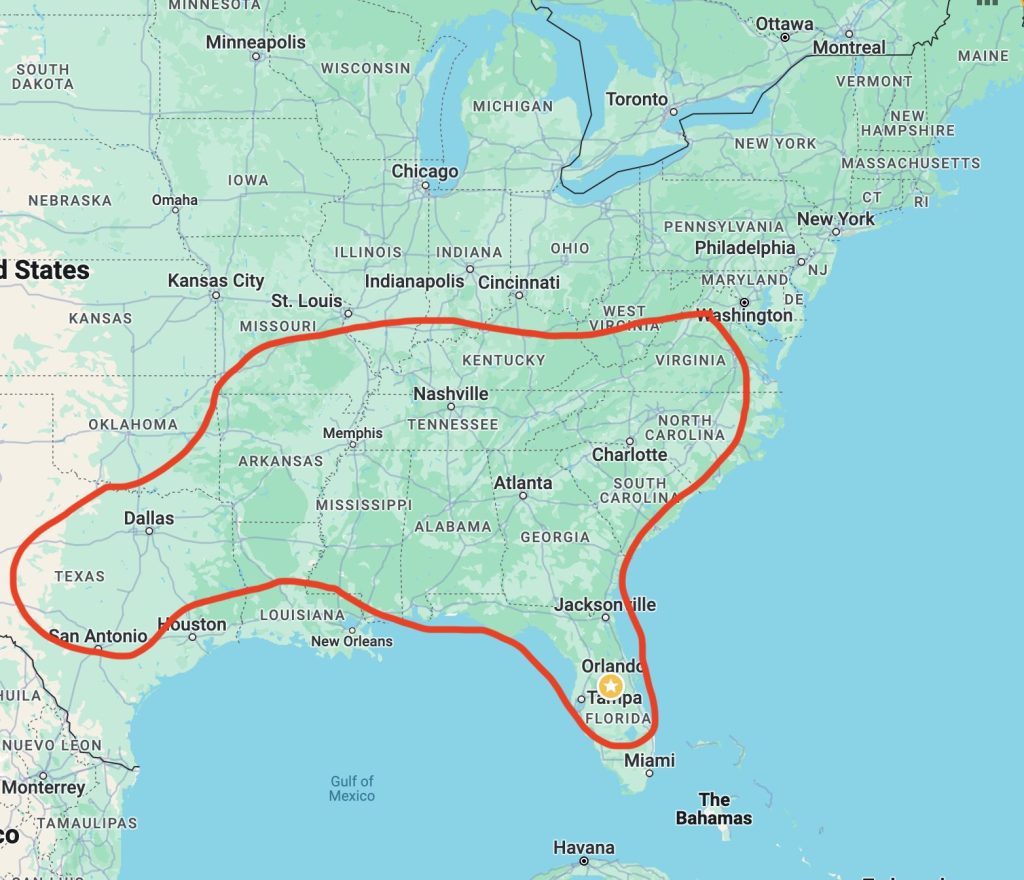
Here is an example of the list that I made when I was looking for a job (also it makes it easier to just copy-paste send to recruiters):
- Subspecialty
- Ortho Spine surgery.
- What are your geographical preferences? Ties to the areas?
- Targeting 4-7 hrs outside Montgomery, Alabama as my wife’s family is there (but able to be farther away if the right opportunity comes along)
- Texas
- Tennessee
- Nashville/franklin
- Brentwood
- Chatanooga
- Alabama
- Huntsville
- South Carolina
- Columbia
- Greenville
- Spartanburg
- Akin
- Florida
- Tampa bay
- Fort myers
- Sarasota
- Georgia
- Augusta
- Athena
- North Carolina
- Greensboro
- Raleigh
- Areas that have laws that allow ortho hospitals to be surgeon owned.
- Practice type?
- Private practice or hospital employed
- How large or small of a community or you open to consider?
- Population 100,000-350,000, similar to size of Lansing or Grand Rapids Michigan
- How much general are you willing to cover? Are you looking for 100% spine?
- Any amount, ideal is 100% spine
- Are you comfortable being the only spine surgeon?
- No, need to have spine partners.
- Will you be doing any MIS? Comfortable in an outpatient surgery center?
- Yes comfortable in outpatient setting, will be doing disk arthroplasty and other outpatient procedures.
- Would you sign early with the right situation?
- Possibly, will likely wait until seeing opportunities in fellowship, but if the perfect situation comes up will consider it.
- Anything else I should know about you?
- Looking for good partners that really care about their patients and are good stewards of their practice.
Key Factors to Consider Before Starting Your Job Search
- Fellowship Plans If you’re considering a spine surgery fellowship, your job search timeline shifts later. Fellowship applications typically open in PGY-4, with matches announced in PGY-5. Only after securing a fellowship spot should you begin your post-fellowship job hunt.
- Geographic Preferences Orthopedic and spine surgery jobs vary by region. Urban centers may offer more academic or hospital-based roles, while rural areas often need general orthopedists. Decide where you want to practice early to narrow your search.
- Practice Setting Do you envision yourself in private practice, a multispecialty group, or an academic institution? Each has a different hiring timeline. Academic roles, for instance, may require earlier applications due to longer onboarding processes.
- Licensing and Credentialing Obtaining a state medical license and hospital privileges can take 3–6 months. Factor this into your timeline to avoid delays after accepting a job offer.
- Market Trends Stay informed about hiring trends. For example, the Bureau of Labor Statistics projects physician demand to grow by 3% from 2022 to 2032 (source), with orthopedics outpacing many specialties due to musculoskeletal needs in older adults.
Actionable Steps to Kickstart Your Job Search
- Build Your Network Early: Connect with attendings, mentors, and peers. Many jobs come through referrals rather than public postings.
- Leverage Professional Organizations: Join AAOS, NASS, or the Orthopaedic Research Society (ORS) for job boards, mentorship, and networking events.
- Work with Recruiters: Specialty-specific recruiters can match you with opportunities tailored to your skills. Start with upload your profile here.
- Polish Your Online Presence: Employers may search for you on LinkedIn or Doximity. Ensure your profiles reflect your training and achievements.
- Understand Compensation: Research fair market value for orthopedic and spine surgeons in your desired region using tools like the MGMA DataDive or SullivanCotter surveys (available through professional memberships).
Common Mistakes to Avoid
- Starting Too Late: Waiting until your final months risks losing competitive positions.
- Ignoring Contract Details: Consult a healthcare attorney to review non-compete clauses, call schedules, and productivity bonuses.
- Overlooking Lifestyle Fit: A high salary won’t compensate for burnout if the job doesn’t align with your personal goals.
Conclusion: Plan Ahead for a Seamless Transition
For orthopedic and spine surgery residents, the job search is a marathon, not a sprint. If you’re skipping fellowship, begin exploring opportunities in PGY-4. If you’re pursuing a spine fellowship, shift your focus to PGY-5 for applications and your fellowship year for job hunting. By starting early, building a strong network, and aligning your search with your career goals, you’ll position yourself for a rewarding practice in this dynamic field.
Ready to take the next step? Attend an upcoming orthopedic conference, refine your CV, and consider working with our team to help you find your next job:
Or, refer an ortho surgeon friend:
Or, refer a practice that is looking to place a surgeon: